UAE cuts UK from scholarship funding over extremism concerns
January 9, 2026
Interview by Robert Rosen
Freelance global issues reporter based in Michigan — contributor to education and news outlets worldwide
With Mark S. Kopenski
CEO, Global Student Recruitment Advisors
March 25, 2026
Robert Rosen: Mark, thanks for joining us. The latest figures show a 17% drop in new international student enrollments last fall, with visa backlogs persisting and conflicts in Ukraine and the MENA region adding uncertainty. This is hitting US institutions hard. What’s the real situation on the ground?
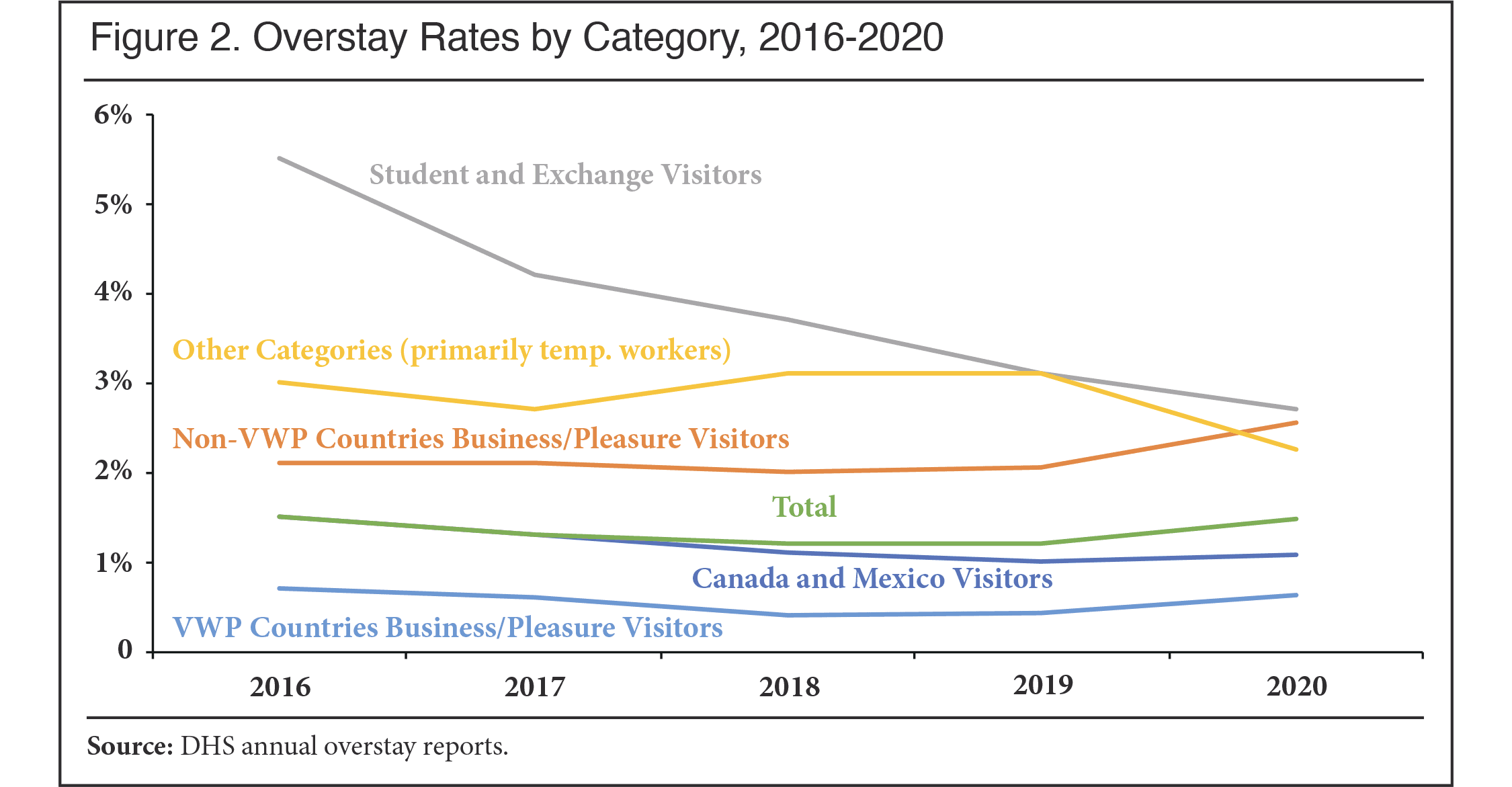
Mark Kopenski: Thank you, Robert. It is a serious challenge. Students from India, China, and parts of Africa are facing interview waits of six months or longer. Many are shifting to Europe or Asia where processing is faster. The impact is immediate: unfilled residence halls, reduced revenue, and weakening alumni networks for future recruitment. However, F-1 students are highly vetted, demonstrate strong English proficiency, fully self-fund their studies, and maintain excellent compliance. Overstay rates remain extremely low. Universities work closely with the Department of State to ensure students remain in status. This chart shows how solid F-1 compliance really is.
Robert Rosen: Interest in the US hasn’t disappeared entirely, but safety concerns from ongoing conflicts are real. How is that affecting application patterns?
Mark Kopenski: In Ukraine, families are understandably focused on immediate safety rather than study abroad. In the MENA region, airspace issues and regional tensions have disrupted travel and caused some cancellations. Some students still see the US as a stable destination, but Asia is gaining ground with lower costs, shorter travel times, and fewer disruptions. It’s a meaningful shift that requires institutions to adjust their strategies.
Robert Rosen: Cost is a major factor — tuition ranging from $25,000 to $80,000 plus living expenses. Can US schools still compete internationally?
Mark Kopenski: The idea that all international students pay full sticker price is largely a myth. It mainly applies to Ivy League and large public flagships. Most US institutions are actively competing with substantial scholarships and merit aid to offset costs and remain attractive against lower-tuition options in Europe and Asia. Success depends on clearly communicating value: strong employment outcomes, professional networks, and career preparation. When institutions deliver that message effectively, they hold their ground.
Robert Rosen: International Baccalaureate (IB) programs continue to expand rapidly worldwide. How should US universities approach these schools for undergraduate recruitment?
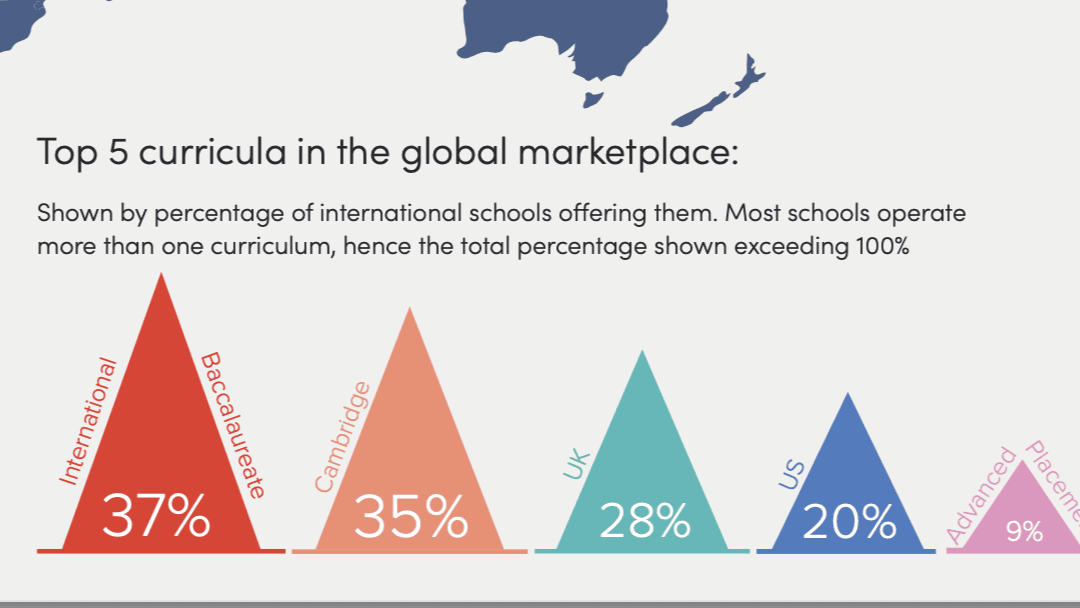
Mark Kopenski: IB now operates in over 6,000 schools globally and attracts exactly the ambitious, globally minded students US institutions seek. Building meaningful relationships with IB coordinators, college counselors, principals, and alumni takes consistent, multi-year effort. Many schools abandon it due to leadership turnover, but those that commit create reliable pipelines that survive policy changes and economic cycles. The growth chart below highlights why this is one of the strongest long-term feeders for US undergraduate enrollment.
Robert Rosen: What about the international students already in the United States, such as those in English-language programs or at liberal arts colleges without graduate programs?
Mark Kopenski: These students represent a significant, often overlooked opportunity. Many arrive on ESL visas, strengthen their English, and then seek advanced degrees. Partnerships for seamless transfers from language schools and liberal arts colleges with large international undergrad cohorts can improve retention and fill graduate pipelines without additional visa complications. It’s familiar territory with higher success rates.
Robert Rosen: Community colleges, particularly those in the CCID network, are expanding their global missions. Are they part of the solution?
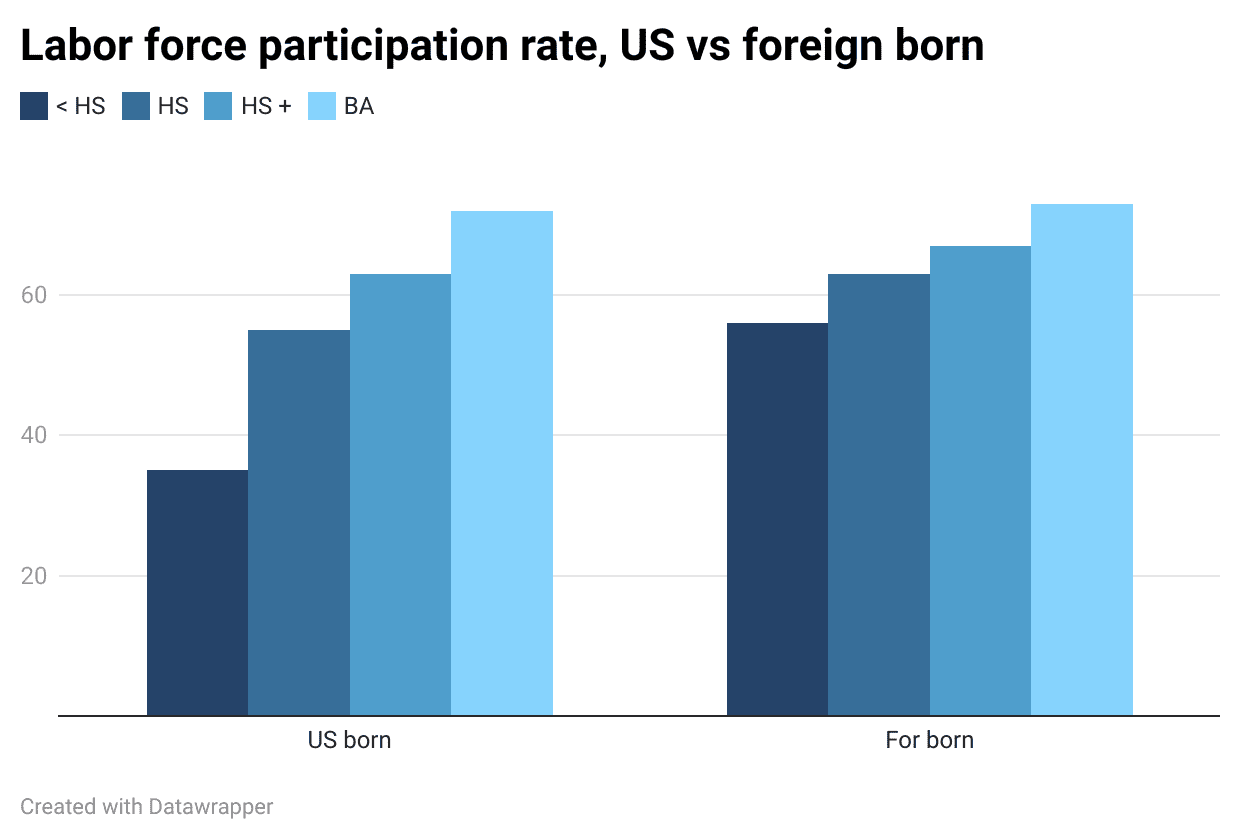
Mark Kopenski: Definitely. Community colleges and private secondary schools with significant international enrollment offer an accessible entry point: lower-cost associate degrees, decent visa approval, then a clear pathway to bachelor’s programs. This ladder approach diversifies campuses and feeds graduate enrollment with students already familiar with the US system. The sector breakdown shows the substantial ready-made pool available.
Robert Rosen: Many talk about internationalization, but what does a genuine long-term strategy require?
Mark Kopenski: For too long, the focus has been on commission-based recruitment agencies that deliver short-term enrollment numbers. Agencies can play a supporting role, but sustainable success comes from institutions owning the process: active overseas recruitment, outbound study programs, and curricula aligned with global industry trends. GSRA clients who have invested in this approach have maintained or grown their international numbers through pandemics, economic shocks, wars, and leadership changes. It’s about building lasting relationships, not chasing quick results.
Robert Rosen: How does GSRA support institutions facing these challenges?
Mark Kopenski: Every partnership is fully customized to the institution’s priorities — whether the goal is net revenue, campus diversity, headcount growth, or academic quality. We are nimble and can adapt quickly to unexpected disruptions such as leadership transitions, staff turnover, natural disasters, or market shifts. Most importantly, we do not walk away from clients. Our role is to serve as a strategic partner that helps build resilient, long-term internationalization strategies.
Robert Rosen: What practical advice would you offer to admissions and enrollment teams right now?
Mark Kopenski: Diversify target markets, including emerging ones like Vietnam, Mexico,Kazakhstan and don’t neglect the F1’s already in the US. Leverage digital fairs and get on-board with AI-driven outreach and virtual admissions representatives. Emphasize employability and alumni outcomes rather than prestige alone. Advocate local and national leadership for sensible visa reform. Most critically, integrate proven feeder pipelines: IB schools, ESL programs, and community colleges into a cohesive long-term plan.
Robert Rosen: Final question — will the US bounce back, or is this becoming the new normal?
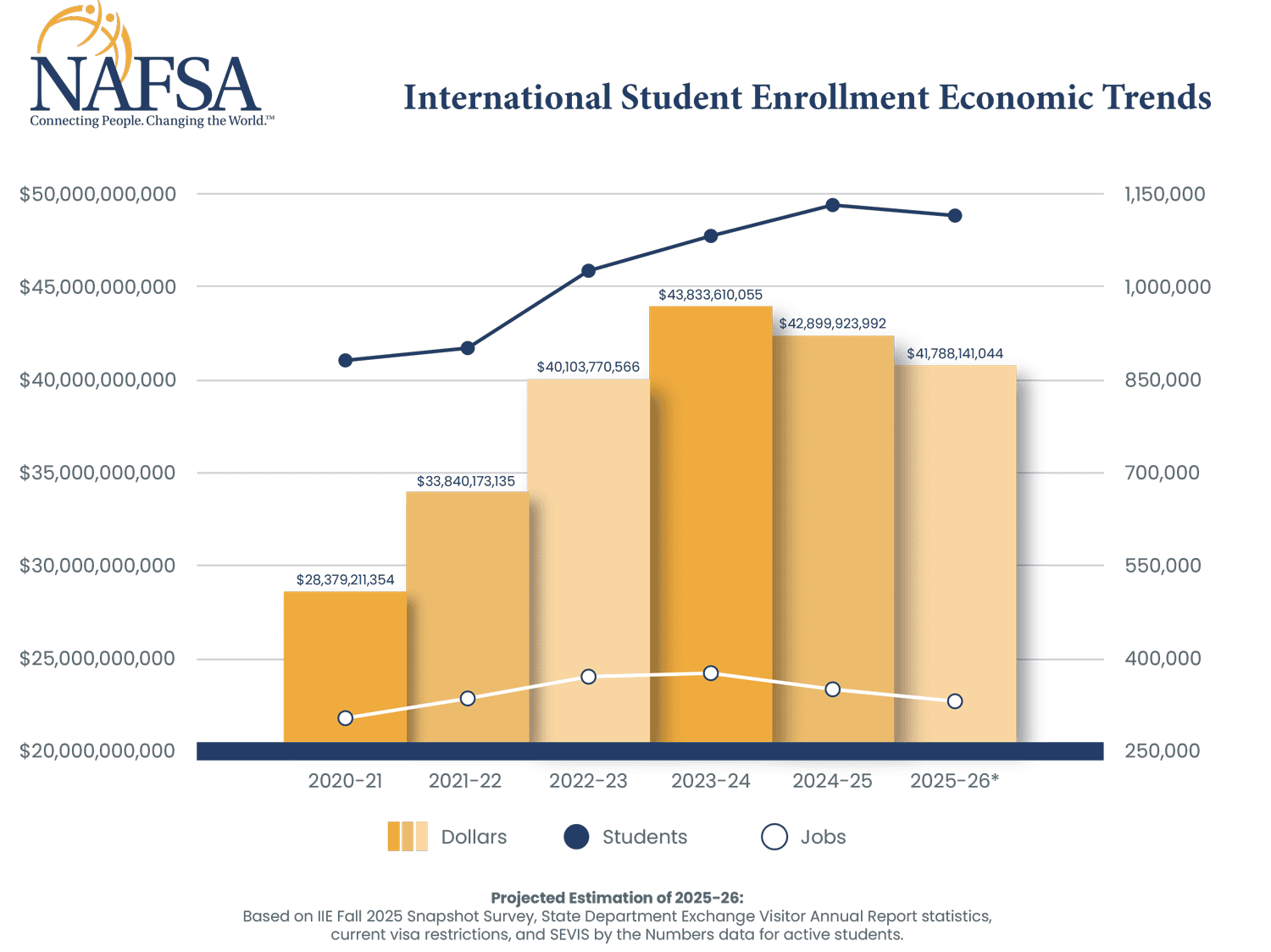
Mark Kopenski: Recovery is possible if policies become more reasonable again, but students now have real choices worldwide and are voting with their feet. The US is no longer the automatic first choice. Institutions need to not only promote their own college but also promote the USA as a desirable destination. The positive side is that international students already contribute tens of billions annually to the US economy through tuition, living expenses, and job creation so there are decades of good-will and alumni globally. This chart from NAFSA highlights the scale of that impact. Institutions that treat international enrollment as a strategic priority, invest in genuine relationships, and work with experienced partners like GSRA will be best positioned to rebuild strong, sustainable pipelines.